

Quick Facts about me:
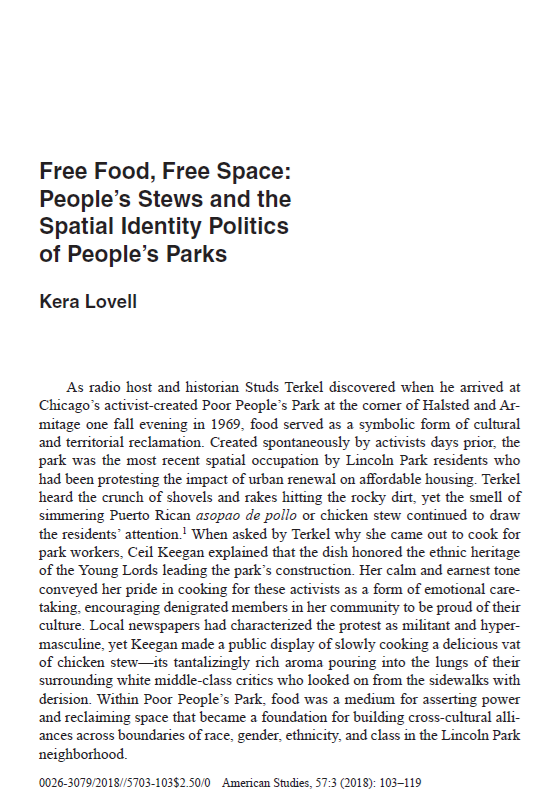
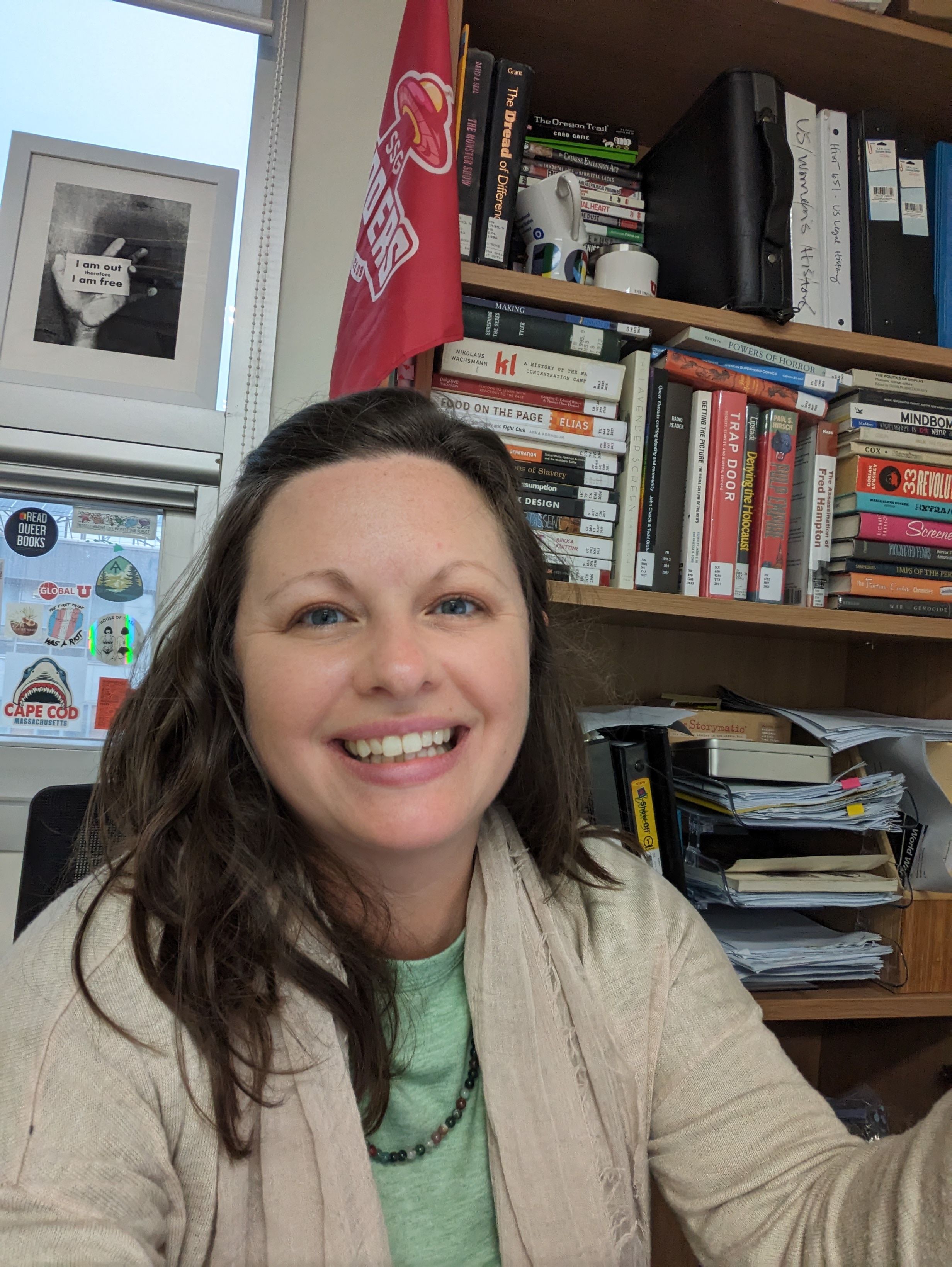
I am an Associate Professor of History at the University of Utah’s Asia Campus in Incheon, South Korea where I teach courses on US history and global citizenship. I am currently working on my book project, titled The People’s Park: Work, the Body, and the Built Environment in Radical Postwar Placemaking. In the fall of 2017 I defended my dissertation to complete my Ph.D. in American Studies at Purdue University. I received my Bachelor of Arts degree in History from Agnes Scott College in 2009 and Master of Arts degree in American Studies from Purdue University in 2011. I specialize in twentieth-century U.S. social and cultural history, and my research and teaching focus on identity in American visual and material culture. In the spring of 2023 I was promoted to Associate Professor on Career-Track.
I have taught a variety of undergraduate and graduate courses across five universities. In 2023 I was promoted to Associate Professor of History at the University of Utah’s Asia Campus. While at Utah’s Asia Campus, my teaching focuses on US history, US women’s history, and US social justice movements, at the Salt Lake Campus (online) I teach undergraduate and graduate courses in history and the humanities. I first started teaching my own self-designed American Studies seminars at Purdue University in 2015. Between 2016 and 2018 I taught six American Studies courses (graduate and undergraduate) in the University of Hawai’i system at UH Manoa and Honolulu Community College. In total, I have taught courses at 6 different institutions, from working with first-generation college students and ESL learners to to graduate students.


For the 2016-2017 academic year, I was awarded a Purdue Research Foundation Fellowship to complete my dissertation titled, Radical Manifest Destiny: Mapping Power in Urban Space in the Age of Protest, 1968-1988. My dissertation examines the urban realm as a contested territory in the late twentieth century. This project traces a transnational movement of activist coalitions that illegally occupied, created, or reclaimed green space as a method of protest in the late-Cold War era. While my dissertation is organized around 3 distinct case studies, the book project takes a more thematic approach, comparing the ways in which parks across the United States centered food culture, work and performance, art and architecture, as well as horticulture and environmental design. Taken together, these collaborative design elements became mediums for communicating ideas about inclusion and conflict at a moment of crisis in American democracy.
My work as an activist/scholar has led me to explore innovative teaching methods in my courses, both digital and analog. In 2024 I was awarded a $9000+ grant by the University of Utah’s Martha Bradley Evans Center for Teaching Excellence to conduct research on AI in teaching with archived primary sources. In Spring of 2025 I led a grant-funded team project ($4500) to explore Osaka’s gaming industry (past to present) as a means for generating interdisciplinary teaching collaborations linking courses in history, writing and rhetoric, and games studies.


Between 2015 and 2016, I spent more than 100 days in archives conducting archival research as part of my dissertation – across more than 15 repositories in 7 states. This research has received numerous awards, grants, and fellowships, including a Mellon-funded Dumbarton Oaks Fellowship on Landscape and Democracy (Spring 2024) and a $5000 Graham Foundation research grant to conduct research at the Library of Congress (Summer 2021).
On this website you’ll find my research interests and current projects, links to my blogs, academic and professional networking sites, and social media accounts. Additionally you can follow my interdisciplinary research and community engagement by following me on social media. I look forward to hearing from you!
 Kera Lovell, Ph.D.